Blog
The Soil of Grief: How We Compost What Breaks Us


There is a place beneath the surface of every garden where decay becomes nourishment. Where what once lived returns to the earth and quietly begins again. We do not see this process, but everything depends on it. Without decomposition, the soil would grow thin. Without breakdown, there would be no renewal.
Grief is the compost of the soul.
It is the dark, heavy, aching place where loss settles. It smells of endings. It feels like too much. And yet, if we dare to remain present to it—if we do not turn away—it becomes the very substance from which new compassion, wisdom, and courage grow.
We live in a culture that fears decay. We rush toward “healing” as if grief were a problem to be solved instead of a process to be honored. We want clean lines, clear answers, quick recovery. But the earth is not in a hurry. She knows that nothing meaningful happens without time, darkness, and transformation.
When my sister left this world, the weight of it dropped me into a silence I did not choose. I felt myself descending into a layer of existence I had only brushed before. It was not only sorrow—it was disorientation. A loss of the familiar rhythm of the world. The sense that something essential had been removed from the ecosystem of my life.
Grief changes the climate of the heart.
And like any ecosystem disrupted, everything inside us must recalibrate.
Compost is not pretty. It is messy, layered, alive with unseen work. Old leaves, broken stems, discarded roots—everything that can no longer remain as it was—returns to the soil to feed something new. In this way, death does not end life. It changes its purpose.
Our losses are not meant to be buried and forgotten. They are meant to be transformed.
When we push grief away, we deprive ourselves of its nutrients. We remain shallow, brittle, unable to grow deep roots. But when we allow grief to work through us—to soften us, to humble us, to open us—we become capable of holding more of life’s complexity without breaking.
My sister’s passing did not simply wound me. It expanded me. It invited me into a deeper understanding of fragility and endurance. It has taught me that strength is not stoicism—it is tenderness that refuses to close.
There is a sacred chemistry at work in sorrow. It breaks down the illusion of control. It dissolves the ego’s need for certainty. It invites us into a more honest relationship with what is.
This is the soil where wisdom grows.
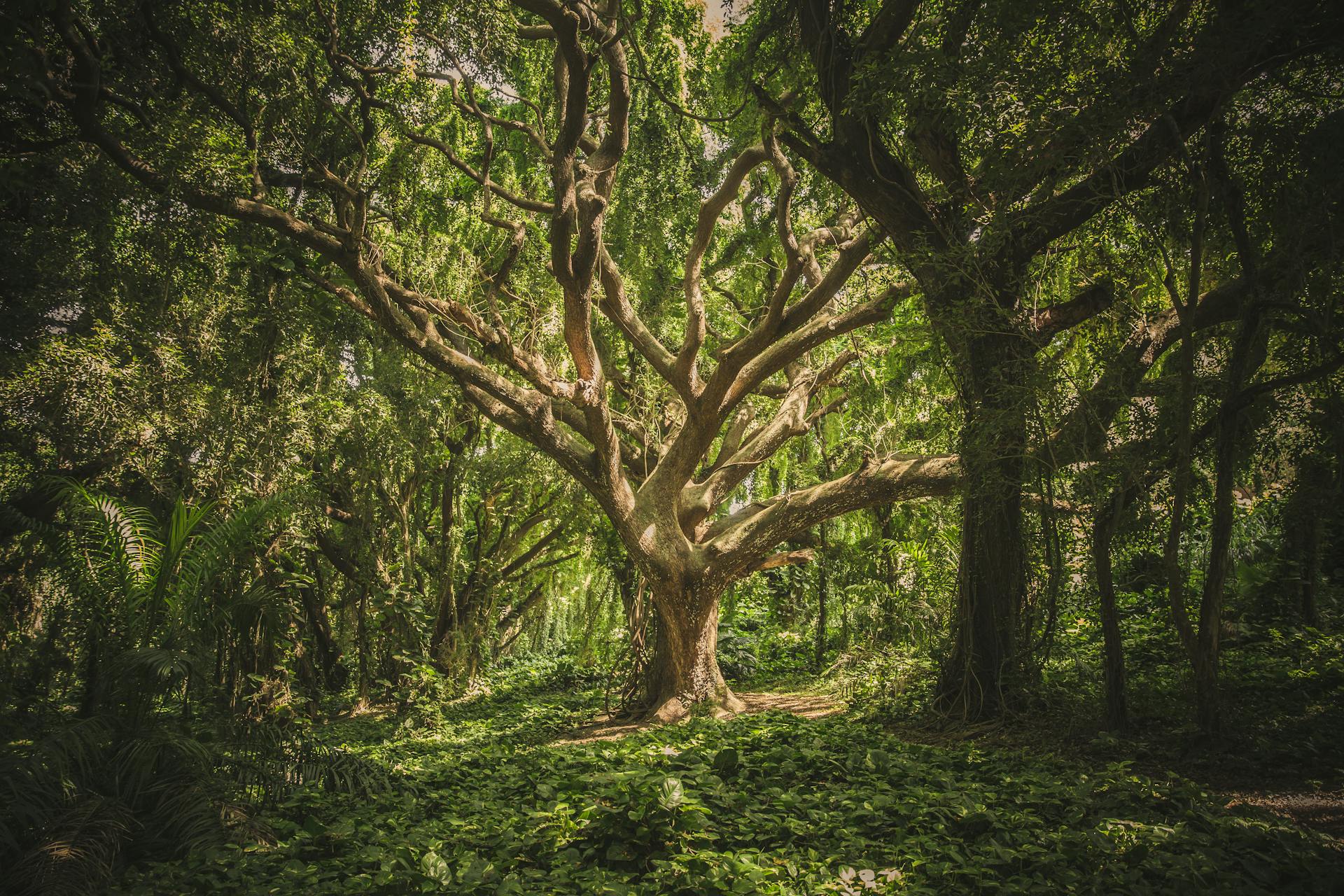
In forests, the richest soil is often found where the most decay has occurred. Fallen trees become nurse logs for seedlings. Dead leaves insulate roots from winter. Everything contributes. Nothing is wasted.
What if our pain is not a burden, but a resource?
What if the very things that break us are what make us capable of deeper love, more meaningful service, and truer presence?
Grief composts the heart so that it can hold more life.
I am learning that sorrow does not shrink us—it widens us. It stretches our capacity to care. It softens our judgments. It awakens a tenderness that can only come from having known loss.
This is not something we can rush. Compost takes time. It requires patience and care. It needs air, moisture, and attention. Left neglected, it becomes stagnant. Tended gently, it becomes fertile.
So I tend my grief like a garden.
I allow the tears. I honor the memories. I speak her name. I sit with the ache instead of running from it. I trust that something is happening beneath the surface—even when I cannot yet see what will grow.
And slowly, I feel new life stirring.
Not in spite of grief—but because of it.