Blog
What Grows in the Shadow of an Unfinished Dream

There is a particular kind of grief that comes not only from losing someone, but from losing the future you imagined with them. It is the grief of an unfinished story. Of chapters that never reached their natural crescendo. Of dreams that were planted in hope but never seen in full bloom.
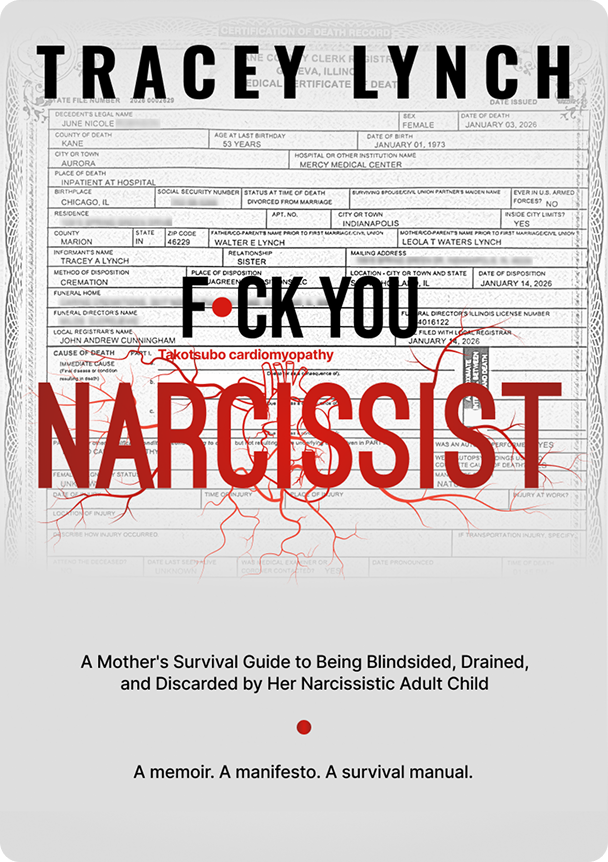
When my sister left this world—just days after her birthday—it felt as though the soil beneath our family shifted. The vision she carried for her life seemed to evaporate in an instant. The life she longed for—to remain happily married, to savor rich relationships with her three adult children, to one day kiss the skin off her grandchildren’s cheeks and bounce them endlessly on her knee—now felt suspended, like seeds scattered into a wind we cannot follow.
And yet, nature whispers something to us when dreams feel cut short: nothing planted in love is ever truly lost.
In every ecosystem, there are seeds that lie dormant for years—sometimes decades—waiting for the precise conditions to rise. They do not grow according to our timelines. They are not rushed by expectation. They trust the slow intelligence of the earth.
We, too, are part of this living system.
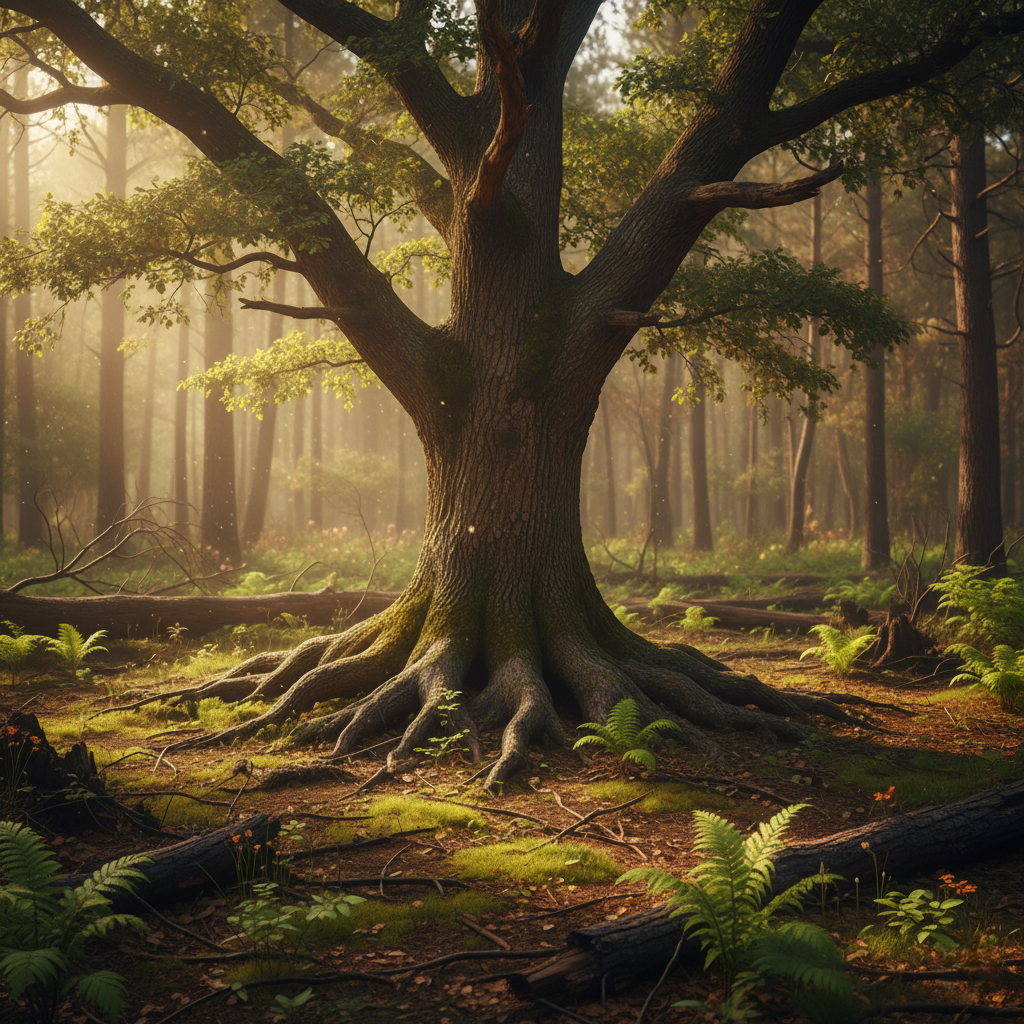
We grieve unfinished dreams because we believe the future belongs only to what we can see. But the forest knows better. The oak tree never stands alone—it is the result of generations of roots, fallen leaves, decayed wood, invisible labor. It rises because countless lives before it returned to the soil and made room for what it would become.
So I ask myself now, in the quiet hours when the ache returns:
What is growing because she lived?
What courage, what compassion, what legacy is already unfolding beyond what we can yet measure?
Loss has a way of making us feel as though meaning has been stolen. But in the ecology of life, meaning is not erased—it is redistributed. It finds new forms. It migrates into places we may not immediately recognize.
After a wildfire, forests often appear ruined. But biologists will tell you that some of the most vibrant growth happens only after destruction. Fire clears space. It returns nutrients to the soil. It activates seeds that cannot sprout any other way.
In this way, grief becomes a strange and sacred fire.
Not one we would ever invite—but one that changes the landscape of the heart.
I have spent my life writing about sustainability as a promise: that what is good can be kept alive. That even in drought and frost, something worth protecting remains. But grief teaches us a harder lesson—sometimes what is good must change form in order to survive.
Dreams, too, have ecosystems. When one part of the system collapses, life reorganizes itself around what remains.
My sister’s love did not disappear when her dream went unfinished. It shifted. It now lives in the stories her children tell. In the way they will one day love their own families. In the tenderness they carry forward. In the courage they will summon when life asks more than feels fair.
Her dream has not ended. It has been multiplied.
We cannot always choose how a story unfolds—but we can choose what we cultivate from its ending.
There is a sacred responsibility in that choice.
When we tend to grief as soil rather than as a grave, we allow it to become fertile ground for empathy, depth, and a wider capacity to love. We become more human. More open. More willing to hold complexity instead of fleeing from it.
Unfinished dreams invite us to ask deeper questions:
Who am I becoming because of this loss?
What values remain when certainty is gone?
How will I honor what was, while still making space for what can be?
In the natural world, no single life exists for itself alone. Everything feeds something else. Everything contributes to the whole.
We are no different.
So when I stand in the shadow of my sister’s unfinished dream, I do not see only what was lost. I see what is now being born in ways I may never fully comprehend.
I see a future shaped by love that did not end—but transformed.
And I am learning, slowly, tenderly, to trust that even here—especially here—something sacred is still growing.