Blog
The Day I Realized Being the Good Girl Was Killing Me


I was very good at being good.
Good daughter.
Good wife.
Good sister.
Good mother.
Good leader.
Good meant calm under pressure.
Good meant absorbing insult without retaliation.
Good meant protecting the image of people who did not protect mine.
Good meant silence.
I learned it early.
In a house where my father drank to quiet war memories and my mother fought like dignity was oxygen, I became the stabilizer. I read the temperature of every room. I anticipated eruptions. I adjusted my tone. I softened my presence. I made myself useful.
Useful children are rarely disruptive.
They are strategic.
I did not know then that hyper-awareness is a trauma skill.
I thought it was maturity.
For decades, I carried that skill into adulthood. Into marriage. Into motherhood. Into business. I built companies. I built community programs. I built stability.
What I did not build was protection for myself.
There is a mythology around strong women. We are admired for endurance. Celebrated for resilience. Praised for being “the bigger person.”
No one asks what it costs.
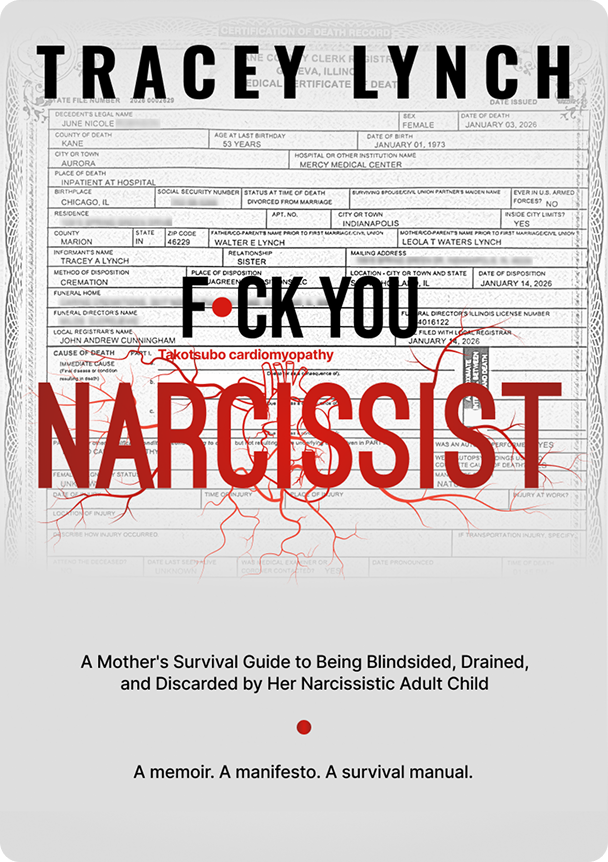
When my adult daughter severed our relationship — when the narrative about me shifted without warning — I did what good mothers do.
I looked inward.
I searched for fault.
I replayed conversations.
I examined my tone.
I apologized for things I did not understand.
Because good girls assume responsibility.
Even for betrayal.
The first time it happened, I told myself love would repair it.
The second time, something in my body knew better.
It was not dramatic.
It was cellular.
A quiet realization:
You have been performing strength while abandoning yourself.
Good girls believe if they endure long enough, things will stabilize.
Whole women know endurance without boundaries is self-destruction.
I began noticing things.
The way my jaw stayed tight.
The way my heart raced in grocery store aisles.
The way I defended people who had publicly diminished me.
The way I minimized my own pain so others would not feel uncomfortable.
I had become the curator of everyone else’s comfort.
At the expense of my own nervous system.
There is a particular grief in realizing that the skills that once saved you are now harming you.
Reading rooms.
Softening language.
Absorbing projection.
Maintaining image.
Those skills kept peace in a volatile childhood home.
They built businesses.
They sustained marriages.
But they also trained me to accept dynamics that required my silence to survive.
And silence has a shelf life.
The moment I stopped being the good girl was not loud.
It was internal.
It was the day I chose not to defend myself against a false narrative.
The day I chose not to over-explain.
The day I stopped rehearsing apologies for boundaries.
It felt terrifying.
Because good girls are rewarded.
Whole women are often resisted.
But something unexpected happened.
My blood pressure eased.
My sleep improved.
My voice steadied.
The body knows when it is no longer betraying itself.
This next chapter of my life is not about vilifying anyone.
It is about refusing to participate in dynamics that require my diminishment.
If you are a woman over fifty reading this and feeling seen, know this:
You are not dramatic.
You are not unstable.
You are not unlovable.
You may simply be done performing goodness at the expense of wholeness.
And that is not rebellion.
It is survival.