Blog
Coping with Sibling Loss: Sibling Loss, Grief, and Relief


She Saw Me Before I Was Finished
On the sister who witnessed every clumsy year of my becoming, the relief I am ashamed to feel now that the witness is gone, and the grace it is going to take to bow to forgetting who I was.
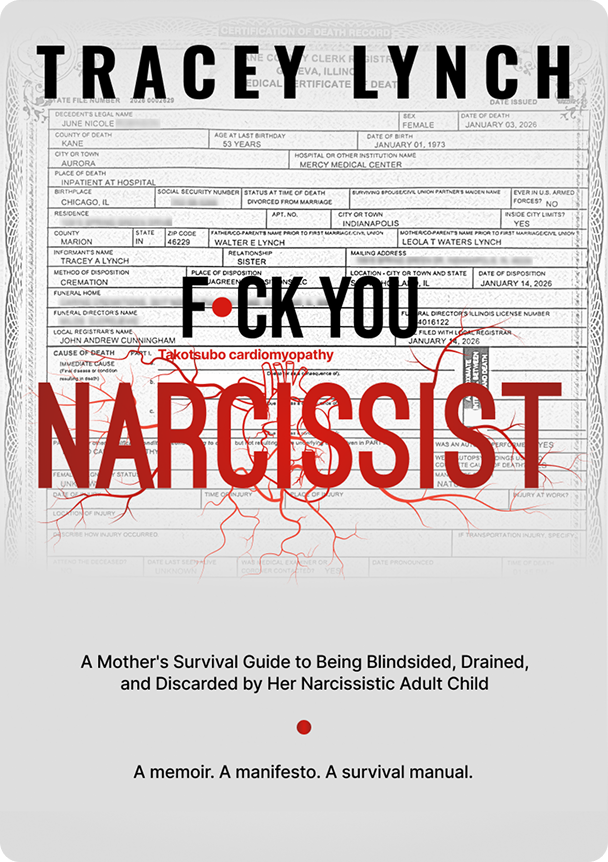
When it comes to coping with sibling loss, nobody prepares you for the unexpected silence. My sister June died in January, and a part of me went quiet that had not been quiet in fifty years, and it took me four months to understand that the quiet was relief.
I have been waiting to feel only grief. I do not feel only grief. Here is the sentence I have not been brave enough to say out loud until now: part of me is lighter now that the one person who saw all of me is gone. Read it again, because I am not going to take it back, and I am not going to dress it up. I am not saying I am glad my sister is dead. I would give years off the end of my own life to have her back at my table, holding her coffee cup with both hands the way she did, as if every cup were a small living thing she did not want to drop. I am saying something smaller and more shameful and more human than glad. I am saying that to be completely known by another person is a weight, even when the knowing is love and when the one who knew you completely is gone, some animal part of you exhales, and you hate yourself for the exhale, and the exhale comes anyway. I am not a monster. I need you to hear that, because you may have felt this too, beside a casket, and decided it made you one. It does not. June did not know a dark secret about me. There is no vault of sins. What June knew was worse, in a way, and far more ordinary: she knew the unfinished me. She knew me before I was any good at being a person.
She was six years younger and somehow she was the keeper anyway. She watched me grow up the way a younger sister watches completely, from below, missing nothing. She saw the dumb mistakes. She saw the years I was clumsy and certain and wrong. She saw me try on selves that did not fit and wear them out in public. She saw me deal badly with things a stronger woman would have dealt with well, and develop slowly toward whatever I am now, and make the kind of mistakes you can only make when you are still becoming and do not yet know that everyone is watching and remembering.
She remembered. That was her function. She was not a mirror I checked myself in. She was not a prism I bent my past through to make it come out prettier. She was a witness a person standing right next to me through the whole long awkward construction of a self, with no agenda but love, keeping the record of who I was at every stage I have since outgrown and would, frankly, prefer the world not have on file.
And now the only person who held the unflattering early drafts of me has taken them into the ground, and I am free of being seen that completely, and the freedom feels like a window opened in a room that had been sealed for fifty years.
That is the relief. I have said it. Now I have to tell you what it costs, because the same fact that set me free took something I did not know I needed until the morning it was gone.
When the witness to your becoming dies, you do not only lose her. You lose your own access to who you were.
I have been a woman trained to doubt her own account of her own life told too many times that she was imagining it, projecting, too much, until she lost the authority to testify on her own behalf. June was my corroboration. Not against any accusation. Against forgetting. I could call her on a Tuesday she always called on Tuesdays and say was I really like that, was it really that way, and she would go quiet for a second, and then she would say sissy, it was worse, or sometimes sissy, it was better than you think, and either way the floor of my own past would go solid under me again. She was the second witness every memory requires before you are allowed to fully believe it happened.
There is no second witness now.
Which means, on a great many counts, I am simply not going to remember who I was.
The clumsy years are going dark. The order we sang the songs in on the drive to Mississippi, when I was fourteen and she was eight going dark. The exact texture of who I was at thirty, at twenty, at seven, before the world got its hands on me and taught me to go small going dark, because the only other person who held the negatives just took them with her, and the drawer is locked, and the key is in a January cemetery, and I am never getting it back.
And here is where I expected to fight. Here is where the woman I used to be the gripper, the one who white-knuckles every precious thing until her own hands give out would have started clawing at the drawer. Trying to reconstruct. Trying to preserve every fading frame. Trying to hold all of it alone, the way I have tried to hold everything alone, until the holding became the thing that almost killed me.
I am not going to do that.
I am going to bow to the forgetting.
I mean that as the hardest and most deliberate thing I have ever decided. Some of who I was is going to leave the world when the last witness to it leaves the world, and that is not a robbery I have to prevent. It is a tide I have to let come in. I cannot be the keeper of every version of myself; I do not have hands enough, and I have already learned what happens to me when I try to grip what cannot be held. So I am going to let the early drafts go. I am going to let June take some of me with her not because I do not love who I was, but because love does not always look like holding on. Sometimes love looks like opening your hands at the grave and letting the water close over the parts only she could have kept.
This is the grace I did not know grief would ask of me. Not to remember everything. To bow, gently, to the fact that I won’t. To trust that the woman standing here at the sink finished enough, witnessed enough, loved enough by the people still in the next room does not need every frame of her own becoming on file to be real. That a life can be true even when half its corroboration is buried. That you are allowed to forget who you were, and grieve the forgetting, and not spend the rest of your days fighting a tide that was always going to win.
If you are reading this beside your own locked drawer if someone who held the early, unfinished you is gone, and you have felt the terrible double thing, the lightness and the loss in the same breath I want to tell you the part no one told me. You are allowed to feel both. You are allowed to be relieved that no one is left to hold your becoming against you, and devastated that no one is left to hand it back to you, and you do not have to resolve those two into one clean feeling, because they are not going to resolve. They are the same dead beloved person. They sit in the same chair.
And you are allowed to stop fighting the forgetting. You are allowed to bow.
The water has gone cold around my hands. My husband is in the next room. The dogs are asleep against the door. There is a drawer somewhere with the unfinished me inside it the clumsy years, the dumb mistakes, the girl in the back seat who knew all the words and the only person who could ever open it again is gone, and part of me is lighter for it, and part of me will grieve that lightness for the rest of my life.
I am the last one who was there. I will not remember all of it.
And I am learning, finger by finger, to let that be a kind of grace instead of a kind of theft.
That is the last thing my sister is teaching me. She is teaching it by leaving and trusting me to bow.